Unbounded: Economic Growth
Growth
Economic growth is the accumulation of useful knowledge. Knowledge lets us transform resources into things that were previously impossible. Growth expands what people can do. It enables new solutions to old problems and creates opportunities that did not previously exist.
Growth is good because progress is good. There is no known limit to useful knowledge, or how much better life can become. There is no inherent reason to stop growing.
But economic growth is often used to justify actions that undermine progress. Destruction to generate economic activity. Exploitation to increase output. Investment that concentrates wealth. A narrow definition of growth conceals a decline in human opportunity.
Economic progress requires a system where many people participate in creating and benefiting from new wealth.
Circulation
Money coordinates the economy. Circulation connects resources with unmet needs. Each exchange puts people, skills, and capital to productive use. Exchanges also create income, experience, and knowledge. Those in turn encourage investment, innovation, and higher productivity.
Circulation encourages ideas, skills, and opportunities. The result is economic growth: more knowledge, greater productivity, and more resources available to improve human life.
Participation
Growth depends on how many people can participate in creating and using resources. An economy where more people participate will discover and develop more opportunities.
For much of history, wealth and power have been highly concentrated. Under feudalism, most people owned little or no productive capital. They worked land controlled by nobles and received enough to survive, without the opportunity to accumulate wealth of their own.
The people who owned the land decided what was produced, who could use resources, and who benefited from them. Most people were bound to the land and had little control over their work, resources, or future. Economic activity was organized around obligation and hierarchy.
When people cannot own, invest, or experiment, they have little incentive to improve the system. Innovation is slow because fewer people are able to try new ideas. Prosperity depends less on who owns today’s wealth than on who has the opportunity to create tomorrow’s wealth.
“The best way to predict the future is to invent it.” – Alan Kay
Broad participation is a prerequisite for long-run prosperity. Markets thrive when many people can own, invest, and create. As ownership becomes more concentrated, participation degrades to obligation. The system takes on feudalistic qualities.
Error Correction
Progress depends on finding and correcting errors. In science, bad explanations are replaced with better ones. In economics, harmful feedback loops must also be corrected. Wealth concentration is one such feedback loop. As wealth accumulates, it generates more income, influence, and opportunities to accumulate even more wealth. Left unchecked, this reduces competition and participation over time.
How do we ensure that the next generation can create wealth too?
A wealth tax is an error-correction mechanism. It helps preserve the conditions for broad participation, productive competition, and continued economic progress.
My brother’s friend had a newspaper delivery route. When he was busy, he paid my brother to deliver the papers. My brother then paid me to help him. I remember thinking this is amazing! Somehow, everyone benefited. The newspapers got delivered, my brother made money, and I made money too. Economies can grow when people coordinate and multiply their efforts.
My grade 4 teacher had a gold star system. If you were well behaved, you earned a star. You could spend a star to take a 15-minute break in the library. I quickly discovered the optimal strategy: don’t spend them. I saved every star I earned. By the end of the year, I had enough for an entire day off. I proudly asked to cash them all in together. My teacher, somewhat startled, said no. The reward system created an incentive I don’t think my teacher intended.
I have personally been on the “creative destruction” side. I’ve built systems that automated work people used to do manually. One example was automating ship loading/unloading operations at ports. The technology we produced made the process safer, faster, and more efficient. But it also meant fewer jobs.
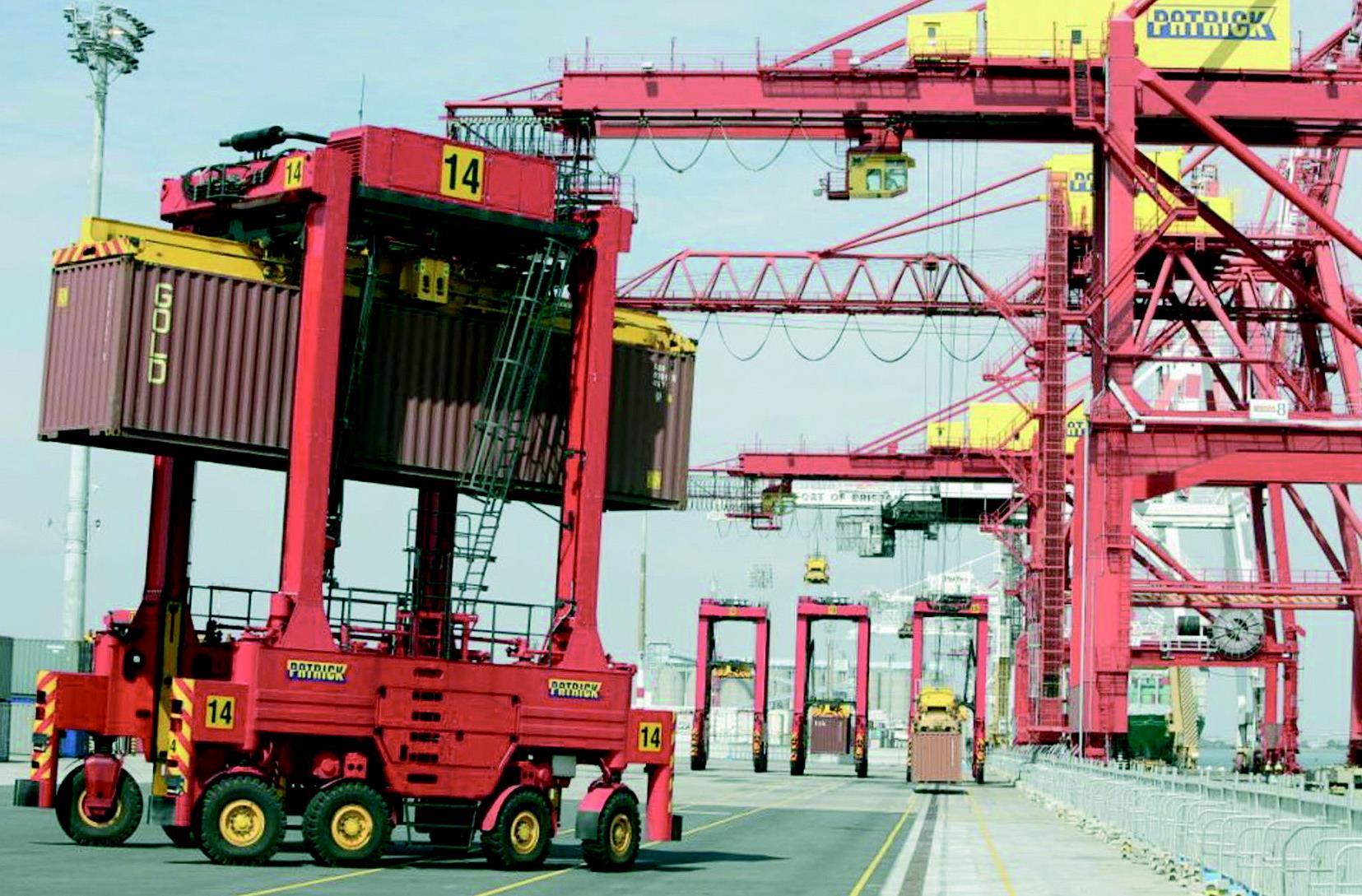
This is creative destruction. It is how progress happens. I don’t think the answer is to stop innovation. The world is better because we build better tools. But it raises an important question: Who captures the gains from that progress?
A problem arises when wealth accumulates faster than it circulates. When ordinary people cannot afford to consume, where are the customers? Growth requires both innovation and demand. We need people creating new things, and people with enough purchasing power to participate in the economy. Circulation determines whether everyone can participate.
income → spending → demand → businesses → jobs → income
Systems produce behaviors. Economies grow through networks of participation. Progress comes from building better tools.
Conclusion
A broad definition of growth must include distribution. Economic growth depends on participation. Businesses need customers. Customers need purchasing power. Purchasing power depends on broad opportunity. Opportunity depends on wealth continuing to circulate. Wealth is the result of past success. Participation creates future success. Healthy economies need both.
In the next part, How to Get a Wealth Tax, we examine what is required to enact one.